
The Best Time to Visit Mongolia: A Season-by-Season Guide
Mongolia has one of the most extreme continental climates on the planet, and that single fact should shape almost every other decision you make about your trip. Ulaanbaatar is the coldest capital city in the world. The Gobi can swing 30 degrees Celsius between noon and midnight. A road that's a smooth two-hour drive in July can be an impassable mud trap in May. So before you think about itineraries or packing lists, it's worth understanding what the calendar actually does to this country.
The short version: June through September is when almost every tour operator, including us, runs trips, and for good reason. But which month inside that window you pick still matters, and the shoulder months on either side have their own quiet appeal if you know what you're trading off.
Summer (June to August): The Main Event
This is peak season, and it earns the title. The steppe turns a deep green that photos never quite capture, daytime temperatures sit comfortably in the 20s Celsius, and every ger camp, road, and river crossing is fully open for business. If this is your only trip to Mongolia, aim for summer.
Mid-July brings Naadam, Mongolia's biggest national festival, built around the 'three manly games' of wrestling, horse racing, and archery. Ulaanbaatar's opening ceremony is spectacular, but the countryside Naadam festivals, smaller, dustier, and run entirely by locals, are where you actually feel the culture rather than watch it from a grandstand. If your dates are flexible at all, try to land in the country around July 11th to 13th.
The trade-off is that summer is also when everyone else has the same idea. Popular stops like Khongor Sand Dunes and Karakorum see more visitors in July and August than any other time of year. It's rarely crowded by international standards, but if solitude is your priority, keep reading.
Late Spring and Early Autumn (May and September): The Quiet Alternative
May and September are what we point experienced travelers toward. The days are still workable, usually mid-teens to low 20s Celsius, but the crowds thin out dramatically and prices on flights tend to drop. September in particular is a favorite among our repeat guests: the steppe turns amber and gold, the summer haze clears, and the light in the late afternoon is some of the best you'll get all year for photography.
The catch is that nights get cold fast, especially by late September, and some of the more remote routes, like the track up to Lake Khuvsgul or into the Tsaatan reindeer herders' territory in the far north, start to feel the first edge of winter. Pack for near-freezing nights even if your days are pleasant, and check with your operator about which specific routes are still fully open.
Winter (October to April): Not for Everyone, but Unforgettable for the Right Traveler
Most tours, including all of ours, pause for the winter months, and there's a simple reason: many of the roads that lead to the Gobi's dunes and Central Mongolia's valleys become genuinely unsafe once the snow and ice set in, and temperatures in the countryside regularly drop below minus 30 Celsius.
That said, winter has a devoted following. The Golden Eagle Festival in Bayan-Ölgii, held every October in Mongolia's far west, is one of the most visually stunning cultural events anywhere in Asia, with Kazakh eagle hunters competing on horseback in full traditional dress. It's a completely different kind of trip, built around specialist winter gear, shorter daylight hours, and a driver who genuinely knows the ice roads. If that's the trip you want, look for a winter-specific operator rather than adapting a summer itinerary.
Our Take
If you're planning your first trip and want the full range of Mongolia's landscapes open to you, from the Gobi's dunes to the forests around Lake Khuvsgul, book somewhere between mid-June and early September. Our 14-Day Classic Mongolia Expedition, for example, is really only possible in that window, since it depends on the northern taiga routes being clear.
If you've already done the classic route or you'd rather trade a few degrees of comfort for empty campsites and softer light, September is genuinely underrated. Either way, book your accommodation and guide a few months out. Ger camp capacity in the popular corridors is smaller than people expect, and the best operators fill up.
Tours You Might Like
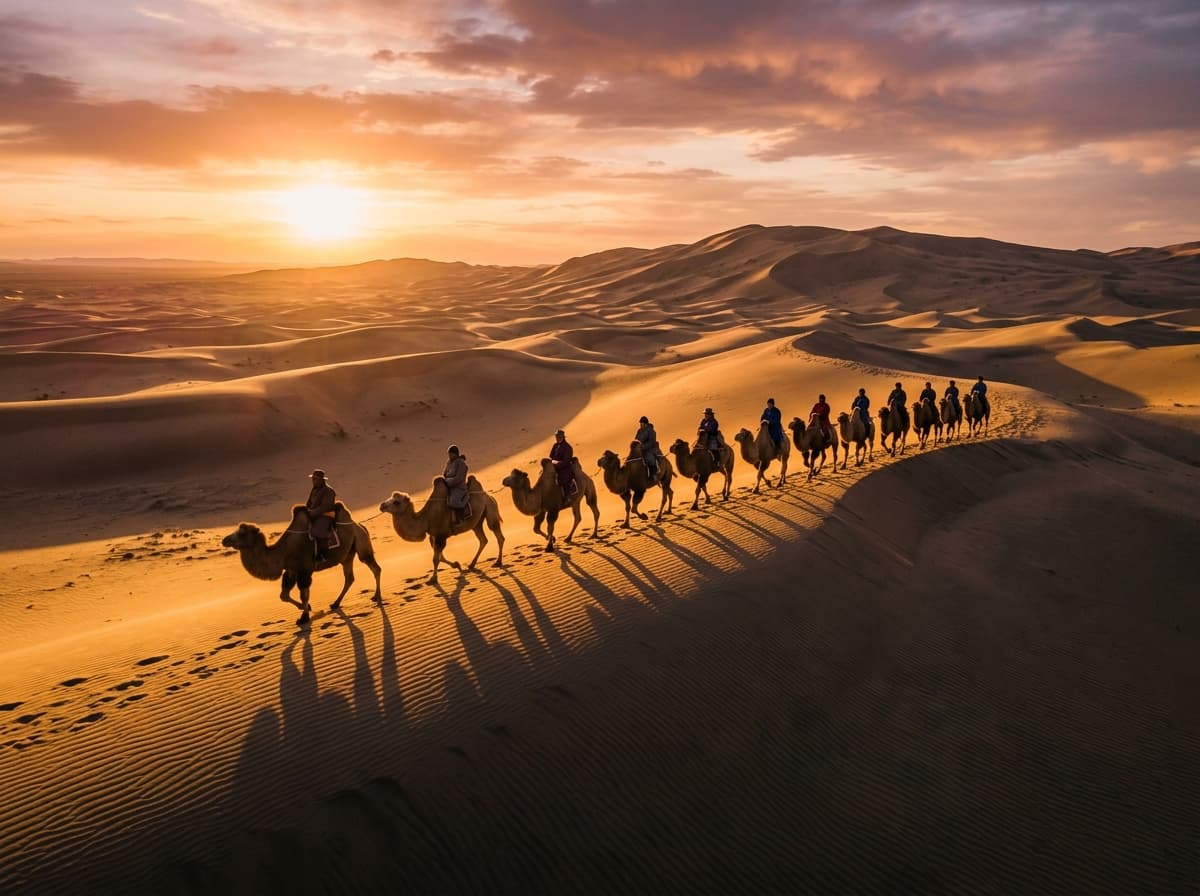
Gobi Desert Highlights & Central Mongolia
Chasing sand dunes, dinosaur fossils & camel-back sunsets
Venture into the heart of the Gobi. Ride two-humped camels, climb the whistling sand dunes, and gaze at the endless starlight.
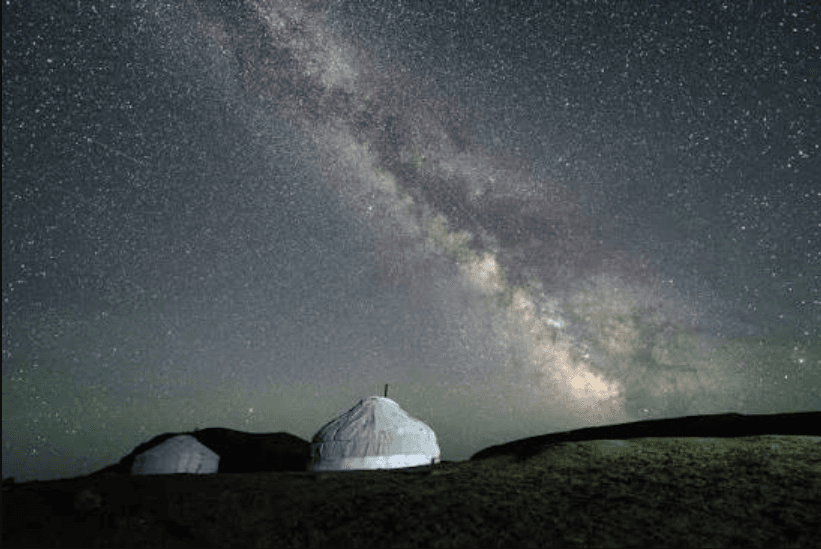
14-Day Classic Mongolia Expedition
From the Gobi Desert to the Siberian Taiga
A comprehensive 14-day odyssey across Mongolia's most dramatic landscapes: from the ancient seafloor cliffs and singing sand dunes of the Gobi Desert, through the ruins of the Mongol Empire and volcanic lakes of Central Mongolia, to the crystal waters of Lake Khuvsgul and the reindeer camps of the Tsaatan in the Siberian taiga.