
Who Are the Tsaatan? Inside Mongolia's Reindeer-Herding Culture of the Siberian Taiga
Ask most travelers to picture Mongolia and they'll describe grassland, gers, and horses. Almost no one pictures a dense pine and birch forest at the edge of Siberia, or a community that herds reindeer instead of horses and sheep. But that's exactly what you'll find far in Mongolia's north, near the border with Russia's Tuva region, where the Tsaatan, sometimes called the Dukha, have lived this way for generations.
There are only a few hundred Tsaatan left, split across a small number of family groups that move seasonally through the taiga. It's one of the last reindeer-herding cultures on the planet, and it exists almost nowhere else in Mongolia's tourism story, which is exactly why it's worth understanding before you consider visiting.
Who the Tsaatan Actually Are
The Tsaatan are ethnically and linguistically distinct from most of Mongolia, tracing their roots to Tuvan-Turkic ancestry rather than the Mongol ethnic majority. Their own name for themselves, Dukha, is often used interchangeably with 'Tsaatan,' which actually comes from the Mongolian word for reindeer and was originally applied to them by outsiders, a bit like calling a community by their occupation rather than their name for themselves.
Historically the Dukha moved between Mongolia and what's now Russian Tuva depending on the season and political borders of the time. Today the community that remains on the Mongolian side lives almost entirely within the remote taiga of Khövsgöl Province, one of the hardest regions in the country to physically reach.
A Life Built Entirely Around Reindeer
For most livestock-herding cultures, the animal is primarily a source of meat. For the Tsaatan, it's almost the opposite. Reindeer are used for transport and, unusually, are actually ridden, milk, which is turned into a rich cheese and a distinctive milk tea, and antler velvet, but they're rarely slaughtered for meat except in real necessity. The relationship is closer to partnership than livestock management, and it shapes almost everything about how the Tsaatan move, eat, and organize their year.
Reindeer also need lichen, which only grows well in cool, high-altitude forest, which is part of why the Tsaatan's range is so narrow and so remote. Unlike horses or goats, you can't simply relocate reindeer herding to a more convenient location. The animal dictates where the people can live.
Shamanism Still Lives in the Taiga
While most of Mongolia practices Tibetan Buddhism, often blended with older folk traditions, the Tsaatan have maintained a living shamanic tradition that's largely disappeared elsewhere in the region. Shamans within the community act as healers and intermediaries with the spirit world, and rituals are still practiced as a genuine part of daily and seasonal life, not as a performance for outsiders.
Visiting Respectfully
This is a community, not an attraction, and it's worth sitting with that distinction before you go. The most meaningful visits happen slowly: sitting for tea, asking questions through a guide who has an existing relationship with the family, and buying handicrafts directly rather than treating a camp as a photo backdrop. A good local guide will already understand this, but it's worth being intentional about it yourself too. The Tsaatan have been generous about sharing their way of life with the small number of visitors who make the journey, and that generosity is worth protecting.
Why So Few Travelers Ever Get Here
Reaching the Tsaatan is genuinely one of the harder journeys available anywhere in Mongolia. Their range lies deep in the taiga near Tsagaannuur in Khövsgöl Province, well beyond where a standard vehicle route ends, and the final stretch is usually covered on horseback over difficult terrain. It's part of why a visit to the Tsaatan is built into a longer, dedicated itinerary rather than a quick add-on to a shorter trip.
Our 14-Day Classic Mongolia Expedition includes this leg after the Gobi Desert and Central Mongolia sections of the route, riding into the taiga from Lake Khuvsgul to spend time with the community before returning south. It's the most physically demanding stretch of the trip, and consistently the one our travelers describe as unlike anything else they've experienced.
Tours You Might Like
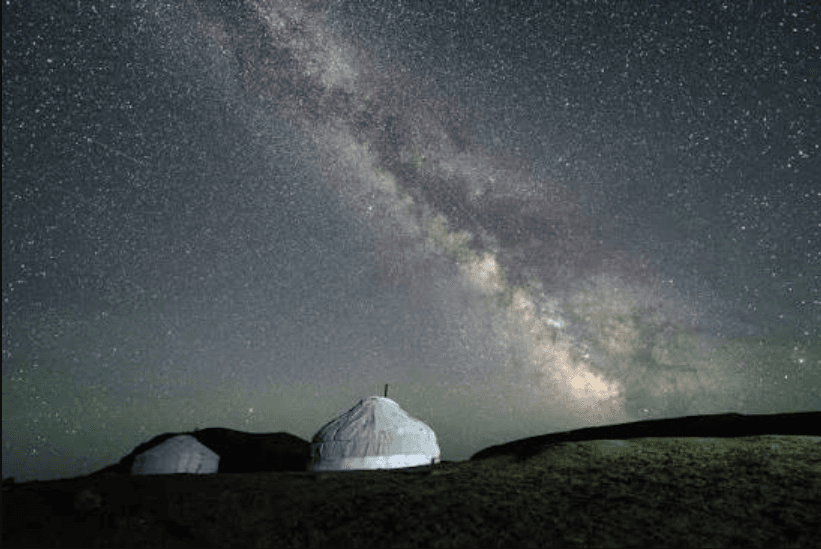
14-Day Classic Mongolia Expedition
From the Gobi Desert to the Siberian Taiga
A comprehensive 14-day odyssey across Mongolia's most dramatic landscapes: from the ancient seafloor cliffs and singing sand dunes of the Gobi Desert, through the ruins of the Mongol Empire and volcanic lakes of Central Mongolia, to the crystal waters of Lake Khuvsgul and the reindeer camps of the Tsaatan in the Siberian taiga.